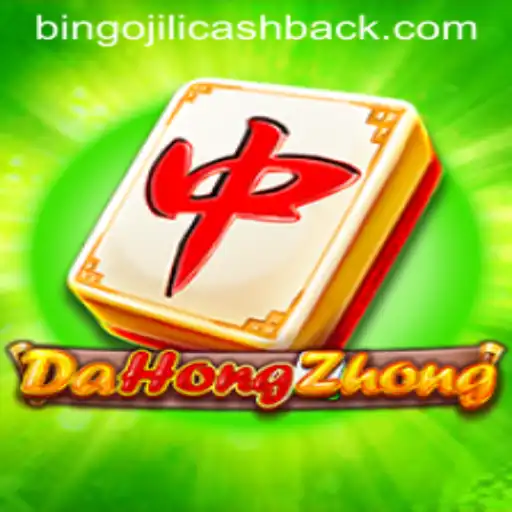
Explore DaHongZhong: A Comprehensive Guide to Its Gameplay and Rules
DaHongZhong has become increasingly popular in recent years, captivating gamers worldwide. As we delve into its nuances, it's essential to understand its origins, gameplay mechanics, and what makes it stand out in the bustling world of gaming.
Introduction to DaHongZhong
DaHongZhong, a classic Chinese mahjong game, has captivated players with its blend of strategy and chance. The name 'DaHongZhong' refers to the distinctive red dragon tile, which plays a pivotal role in the game's mechanics. Unlike the traditional mahjong, it streamlines the gameplay, enabling quicker rounds without sacrificing the strategic depth that enthusiasts cherish.
The game's inception traces back centuries, rooted deeply in Chinese culture. Today, it enjoys widespread popularity, both in physical tables across homes in China and through digital adaptations, extending its reach globally. This international appeal ensures its vibrant community of players continues to grow, fostering a mix of tradition and modern gaming experience.
Gameplay and Key Features
The objective of DaHongZhong, like other versions of mahjong, revolves around gathering specific tile combinations to form a winning hand. However, what sets DaHongZhong apart is its focus on the red dragon tile, which serves as a wildcard, adding a layer of strategy as players decide when to use them for maximizing their scores.
The game is usually played with four players, each receiving a set of tiles. The goal is to form sets and pairs, with specific combinations yielding higher scores. What truly adds to the competitive edge is the strategic use of the 'wild' red dragon, allowing for dynamic shifts in game tactics.
Basic Rules and Scoring
- Each player starts with 13 tiles.
- The game employs a set of 136 tiles, similar to traditional mahjong but with a specialized emphasis on the red dragon (hong zhong) tile.
- The primary objective is to form a hand of 14 tiles comprised of four sets and a pair, with the inclusion of hong zhong tiles enhancing the possibilities of creating a favorable hand.
- Players draw and discard tiles to construct their hands, aiming to declare 'mahjong' by forming valid tile sets.
- Scoring is typically calculated based on the hand composition, with additional points awarded for specific combinations involving the red dragon tiles.
The reliance on strategy is apparent; adept players often anticipate opponents' moves, adjusting their tactics accordingly. The inclusion of the wildcard element from the red dragons introduces an elevated level of unpredictability, ensuring each game is distinct from the last.
Current Trends and Bingojili Cashback Integration
In keeping with modern gaming trends, many platforms offering DaHongZhong have begun integrating features such as the popular bingojili cashback. The concept of cashback in gaming introduces an incentive-driven model where players can earn rewards based on their gameplay activity, thus enhancing the engagement factor.
The inclusion of bingojili cashback has been particularly appealing in online gaming communities. It ensures that players receive a return on investment for their time and strategic gameplay, thus adding a new layer of motivation. This integration has sparked discussions about the evolving landscape of gaming, where economic incentives intersect with traditional gameplay elements.
DaHongZhong enthusiasts now enjoy a more comprehensive gaming experience complemented by these cashback offers. This blend of classic game design with contemporary reward systems exemplifies how traditional games evolve to meet modern expectations, combining skill and strategy with economic benefits.
The Cultural Impact and Global Reach
DaHongZhong's cultural significance is undeniable. As a game that encapsulates both strategy and social interaction, it represents a fundamental facet of Chinese leisure. Its adoption beyond China indicates the universal appeal of games that balance complexity with intuitive play.
The proliferation of online platforms has furthered its reach, allowing for a global player base to engage with this culturally rich game. Digital versions ensure accessibility and allow enthusiasts to engage with international communities, fostering a shared appreciation for diverse gaming experiences.
The game's integration with current gaming incentives like bingojili cashback only further emphasizes its adaptable nature in the face of an ever-evolving digital landscape. By balancing traditional gameplay with modern incentives, DaHongZhong maintains its position as a beloved game both at home and abroad.
Conclusion
As we reflect on the enduring appeal of DaHongZhong, it becomes clear that its blend of strategic depth, cultural significance, and modern innovation has cemented its place in the hearts of players worldwide. The addition of features such as bingojili cashback ensures that it remains relevant and engaging for both seasoned players and newcomers alike, bridging cultural and temporal divides through the universal language of gameplay.